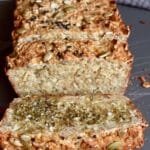

There is nothing quite like homemade English muffins fresh from the skillet. These Sourdough Discard English Muffins are soft, fluffy, lightly golden on the outside, and filled with all those wonderful little nooks and crannies that catch melted butter, honey, and jam.
If you have sourdough discard waiting in your refrigerator, this recipe is a delicious way to put it to use. The dough comes together easily in one bowl, requires no mixer or kneading, and can be prepared the same day or chilled overnight for a convenient breakfast the next morning.
Unlike traditional oven-baked bread, these homemade sourdough discard English muffins cook right on the stovetop. They’re perfect for breakfast sandwiches, toasted with butter, or served with your favorite sweet and savory toppings. Once you taste homemade English muffins, store-bought versions may never be quite the same!
Why You’ll Love This Recipe
- A great way to use sourdough discard: Turn leftover starter into soft, flavorful homemade English muffins.
- No kneading or mixer required: The simple dough comes together with a wooden spoon or dough whisk.
- Make them ahead: Choose the same-day method or refrigerate the dough overnight.
- Classic nooks and crannies: The soft interior creates plenty of little pockets for butter, honey, and jam.
- Cooked on the stovetop: No special bread oven or complicated baking process is needed.
Ingredients You’ll Need
These homemade sourdough discard English muffins use simple baking ingredients to create their signature soft texture and lightly tangy flavor.
- Whole milk (1 cup / 240 grams): Adds moisture and richness to the dough. Warm it to approximately 110°F before mixing.
- Unsalted butter (2 tablespoons / 28 grams): Adds tenderness and a rich, buttery flavor.
- Brown sugar (2 tablespoons / 30 grams): Adds a touch of sweetness and helps support yeast activity. You can also use your preferred sweetener.
- Active dry yeast (1 teaspoon / 3 grams): Helps the dough rise and gives the English muffins their light, fluffy texture.
- Sourdough discard (½ cup / 140 grams): Adds a subtle sourdough flavor and makes this recipe a wonderful way to use leftover starter.
- Bread flour (2½ cups / 300 grams): Provides structure and helps create a soft, chewy interior.
- Kosher salt (2 teaspoons / 6 grams): Balances the flavor and enhances the dough.
- Semolina flour or cornmeal (about 1 to 1½ cups): Used for dusting the pan and both sides of the muffins to prevent sticking and create their classic lightly coated exterior.
Equipment Needed
You don’t need a stand mixer or complicated bread-making tools for this recipe.
- Large mixing bowl: For combining the dough ingredients.
- Dough whisk or wooden spoon: Makes mixing the sticky dough easier.
- Kitchen scale or measuring cups: Helps measure ingredients accurately.
- Rolling pin: For rolling the dough to an even thickness.
- Biscuit cutter or drinking glass: For cutting the English muffin rounds.
- Baking sheet or tray: For holding the shaped muffins while they rise.
- Electric skillet or heavy skillet: For cooking the muffins evenly on the stovetop.
- Instant-read thermometer: Helps check that the centers are fully cooked.
- Cooling rack: Allows the muffins to cool without trapping excess moisture.
How to Make Sourdough Discard English Muffins
Step 1: Mix the Wet Ingredients
In a large mixing bowl, combine the warm milk, melted butter, sourdough discard, brown sugar, and active dry yeast.
Stir everything together and let the mixture sit for a few minutes. This gives the ingredients a chance to combine before you add the flour.
Make sure your milk is around 110°F. Milk that is too hot can damage the yeast and interfere with rising.
Step 2: Add the Flour and Salt
Add the bread flour and kosher salt to the bowl.
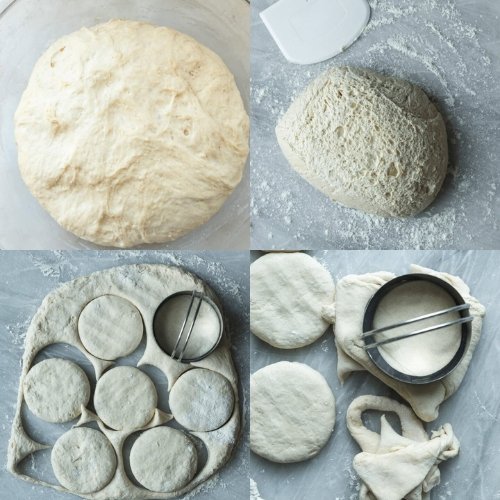
Mix with a dough whisk or wooden spoon until all the ingredients are thoroughly combined and a slightly sticky dough forms.
The dough should feel soft and sticky. Don’t worry if it looks wetter than a typical bread dough. That moisture is important for creating the classic English muffin texture and all those lovely nooks and crannies.
Step 3: Let the Dough Rise
Cover the bowl and leave the dough in a warm place until it has doubled in size. This usually takes about 60–90 minutes.
The dough should look noticeably puffier and fuller when it’s ready.
Step 4: Choose Your Overnight or Same-Day Option
Once the dough has doubled, you can either continue with the recipe or refrigerate it overnight.
The overnight option is especially convenient if you want fresh English muffins for breakfast. Simply cover the dough and place it in the refrigerator until you’re ready to shape the muffins.
If you’re making them the same day, move straight to the next step.
Step 5: Roll and Cut the Muffins
Transfer the dough to a lightly floured work surface.
Press or roll it out to approximately 1 inch thick. Use a biscuit cutter, drinking glass, or jar to cut the dough into rounds.
You should get approximately 9–10 muffins, although the recipe can make 8–12 depending on the size and thickness you prefer.
Gather any leftover scraps by stacking them together, gently re-rolling, and cutting more rounds.
Prefer less mess? Instead of rolling and cutting, divide the dough into 8–12 portions. Shape each portion into a ball, then gently press it into a flat disc. This is an easy alternative if you don’t want to deal with leftover dough scraps.
Step 6: Dust and Let the Muffins Rise Again
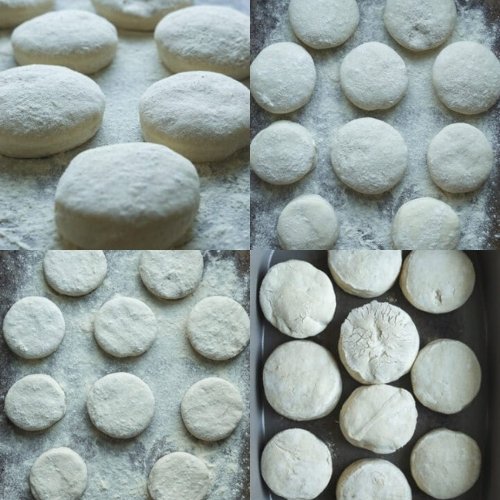
Line a baking sheet or tray generously with semolina flour or cornmeal.
Arrange the shaped muffins on the prepared surface and dust both sides generously. This helps prevent sticking and gives the muffins their familiar exterior.
Cover the muffins and let them rise until they look puffy and light.
- If using same-day dough, allow approximately 1 hour.
- If using dough straight from the refrigerator, this may take around 2 hours.
Don’t rush this second rise. The muffins should look noticeably airy before they go into the skillet.
Step 7: Cook the English Muffins
Preheat an electric skillet to 300°F or heat a heavy skillet over medium-low heat.
Arrange the risen muffins in the skillet, leaving a little space between each one.
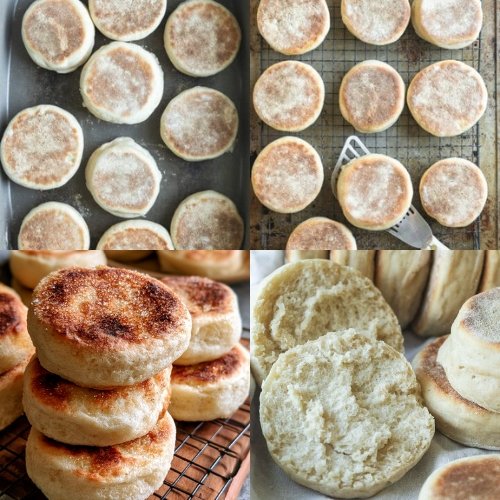
Cover and cook for approximately 5 minutes. Flip the muffins and cook the other side for another 5 minutes, keeping the skillet covered.
At this point, reduce the heat to approximately 250°F and flip the muffins a few more times until their internal temperature reaches 195–200°F.
The extra cooking time depends on how thick your muffins are. Thicker muffins will need longer to cook through.
Optional oven finish: If the outsides are nicely browned but the centers need more time, transfer the muffins to a 350°F oven for approximately 10 minutes to finish cooking.
Step 8: Cool Completely
Remove the cooked English muffins from the skillet and place them on a wire cooling rack.
Allow them to cool to room temperature before splitting. This helps the interior set and gives you a better texture when you open them.
Step 9: Split and Toast
For the best classic English muffin texture, avoid cutting straight through the middle with a knife.
Instead, use a fork and your fingers to gently pry each muffin apart. This creates those signature craggy edges and little pockets that catch butter and other toppings.
Toast the halves until golden, add your favorite toppings, and enjoy!

Tips for Success
- Don’t add too much extra flour: This is supposed to be a sticky dough. Adding too much flour can make the muffins more like ordinary bread rolls.
- Warm the milk carefully: Aim for approximately 110°F to keep the yeast happy.
- Allow enough rising time: The dough should double during the first rise and look puffy after shaping.
- Try the overnight option: Refrigerating the dough makes it easier to plan ahead and enjoy fresh muffins in the morning.
- Dust generously: Coat both sides with semolina flour or cornmeal to prevent sticking.
- Keep the skillet covered: Covering the skillet while cooking helps the muffins cook through.
- Check the internal temperature: Aim for 195–200°F in the center, especially when making thicker muffins.
- Use a fork to split: This creates the traditional nooks and crannies that make English muffins so delicious.
Recipe Variations
These sourdough discard English muffins are delicious as written, but you can easily customize them to suit your preferences.
1. Whole Wheat English Muffins
Replace part of the bread flour with whole wheat flour for a heartier flavor and texture. Start by replacing a small portion rather than all the flour, since whole wheat flour absorbs moisture differently.
2. Cinnamon Raisin English Muffins
Add raisins and a little ground cinnamon to the dough for a sweet breakfast variation. These are especially delicious toasted with butter or cream cheese.
3. Honey English Muffins
Replace the brown sugar with honey for a slightly different sweetness. Since honey is liquid, the dough consistency may change slightly.
4. Garlic Herb English Muffins
For a savory version, add dried herbs and a little garlic powder to the dry ingredients. Serve toasted with butter or alongside soups and pasta dishes.
5. Cheesy English Muffins
Fold a little shredded cheddar or another favorite cheese into the dough for a savory twist. These are delicious toasted and served with eggs.
Serving Suggestions
Homemade sourdough discard English muffins are incredibly versatile. You can enjoy them sweet, savory, or as the base for a satisfying breakfast sandwich.
Here are a few delicious ways to serve them:
- Classic butter and honey: Toast the muffin halves and spread with butter and a drizzle of honey.
- Jam and preserves: Add strawberry jam, raspberry preserves, or your favorite fruit spread.
- Breakfast sandwiches: Fill with fried eggs, cheese, and bacon or sausage for a hearty morning meal.
- Avocado toast: Top toasted halves with mashed avocado, salt, pepper, and a squeeze of lemon.
- Eggs Benedict: Use toasted English muffin halves as the base for poached eggs and hollandaise sauce.
- Peanut butter and banana: Spread with peanut butter and add sliced banana for a quick breakfast or snack.
- Cream cheese and smoked salmon: Add cream cheese, smoked salmon, and fresh herbs for a delicious savory option.
For an easy make-ahead breakfast, split and freeze the muffins so you can toast individual halves whenever you need them.
Frequently Asked Questions
1. Can I make sourdough discard English muffins without yeast?
This particular recipe uses active dry yeast in addition to sourdough discard. The discard adds flavor, while the commercial yeast helps the dough rise. You shouldn’t leave out the yeast without adjusting the recipe, as the texture and rising time would change.
2. Can I use sourdough discard straight from the refrigerator?
Yes, refrigerated discard can be used in this recipe. It doesn’t need to be freshly fed or bubbly. Just make sure it is a healthy discard without signs of spoilage.
3. Why is my English muffin dough so sticky?
The dough is intentionally sticky. That moisture helps create the soft interior and signature nooks and crannies. Resist the temptation to keep adding flour until the dough feels completely dry. Use just enough flour on your work surface to make shaping manageable.
4. Can I refrigerate the dough overnight?
Absolutely! After the first rise, cover the dough and refrigerate it overnight. When you’re ready to continue, shape the muffins and allow them to rise until puffy. Cold dough may need approximately 2 hours for the second rise.
5. How do I know when English muffins are fully cooked?
The muffins should be golden brown on the outside and reach an internal temperature of approximately 195–200°F. Thicker muffins may need additional cooking time at lower heat. You can also finish them in a 350°F oven for about 10 minutes if needed.
6. How should I store homemade English muffins?
Allow the muffins to cool completely, then store them in an airtight container or bag at room temperature for 3–5 days. For longer storage, freeze them. Splitting the muffins before freezing makes it easy to place them directly in the toaster without thawing.
Storage and Freezing Tips
These homemade English muffins are great for meal prep because they store and freeze well.
- Room temperature: Store completely cooled muffins in an airtight container or bag for 3–5 days.
- Freezing: Split the muffins before freezing and place them in a freezer-safe bag or container.
- To reheat: Toast frozen muffin halves straight from the freezer. There’s no need to thaw them first.
- Make-ahead breakfast: Prepare the dough the night before, refrigerate it, and shape and cook the muffins the following day.
Final Thoughts
These Sourdough Discard English Muffins are a delicious way to turn leftover starter into something special. They’re soft, fluffy, easy to prepare, and full of those irresistible nooks and crannies that make homemade English muffins so satisfying.
Whether you choose the same-day method or prepare the dough overnight, you’ll have a batch of homemade muffins ready to enjoy with butter and honey, your favorite jam, or a hearty breakfast sandwich.
Give this easy sourdough discard English muffins recipe a try the next time you have starter to use up. If you make them, leave a star rating and review, and share your favorite way to serve them!
Print
Sourdough Discard English Muffins (Soft, Fluffy & Full of Nooks and Crannies)
- Total Time: 2.5 hours, plus optional overnight chilling
- Yield: 8–12 English muffins
Description
These no-knead sourdough discard English muffins are soft, fluffy, and easy to make without a mixer. Choose an overnight chilling option for convenient preparation or make them the same day. Cooked on the stovetop, they develop the classic nooks and crannies that are perfect for toasted muffins, breakfast sandwiches, butter, and honey.
Ingredients
- 1 cup (240 g) whole milk, warmed to 110°F
- 2 tablespoons (28 g) unsalted butter, melted
- 2 tablespoons (30 g) brown sugar (or sweetener of choice)
- 1 teaspoon (3 g) active dry yeast
- 1/2 cup (140 g) sourdough discard
- 2 1/2 cups (300 g) bread flour
- 2 teaspoons (6 g) kosher salt
- About 1 to 1 1/2 cups semolina flour or cornmeal, for dusting
Instructions
- In a large mixing bowl, combine the warm milk, melted butter, sourdough discard, brown sugar, and yeast. Let the mixture sit for a few minutes.
- Add the bread flour and kosher salt. Mix with a dough whisk or wooden spoon until a slightly sticky dough forms and all the ingredients are thoroughly combined.
- Cover the bowl and let the dough rise until doubled in size, about 60–90 minutes.
- For the overnight option, refrigerate the risen dough overnight. Otherwise, continue with the recipe.
- Turn the dough onto a floured surface and press or roll it to about 1 inch thick. Cut into rounds using a biscuit cutter, drinking glass, or jar. Stack and re-roll the scraps to cut additional muffins.
- Alternatively, divide the dough into 8–12 pieces, shape each into a ball, and press each ball into a flat disk.
- Place the shaped muffins on a baking pan generously dusted with semolina flour or cornmeal. Dust both sides well, cover, and let rise until puffy and light, about 1 hour. If the dough is cold from the refrigerator, this may take about 2 hours.
- Preheat an electric skillet to 300°F or heat a heavy skillet over medium-low heat. Arrange the muffins in the skillet, leaving space between them. Cover and cook for 5 minutes.
- Flip the muffins, cover, and cook for another 5 minutes.
- Reduce the heat to about 250°F and flip the muffins a few more times until their internal temperature reaches 195–200°F. Alternatively, finish cooking them in a 350°F oven for about 10 minutes. Cooking time will depend on the thickness of the muffins.
- Transfer the muffins to a cooling rack and let them cool to room temperature.
- For the best nooks and crannies, use a fork and your fingers to split the muffins before toasting.
Notes
- This is meant to be a sticky dough. The moisture helps create the classic English muffin texture and signature nooks and crannies. Avoid adding too much extra flour.
- Store cooled English muffins in an airtight container or bag at room temperature for 3–5 days.
- English muffins freeze well. Split them before freezing so they can go straight into the toaster without thawing.
- The recipe makes approximately 8–12 English muffins, depending on their size and thickness.
- The amount of salt may vary depending on the brand. The original recipe uses Diamond Crystal kosher salt.
- For an overnight option, refrigerate the dough after its first rise. Allow extra time for the shaped muffins to become puffy before cooking.
- Prep Time: 20 minutes active, plus rising and optional chilling
- Cook Time: 15 minutes
- Category: Bread, Yeast Bread, Sourdough
- Method: Stovetop
- Cuisine: American