
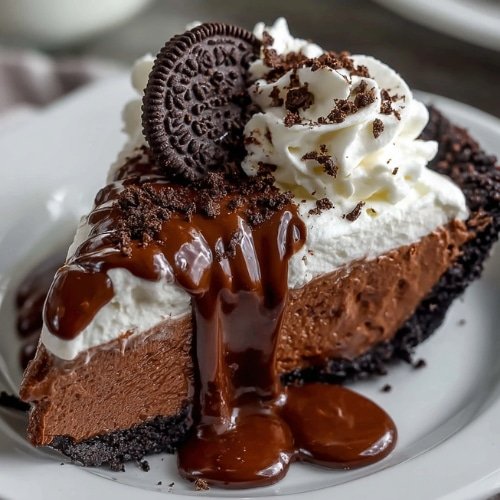
Mississippi Mud Pie is a quintessential American dessert that marries deep chocolate richness with a pleasing variety of textures. Originally inspired by the thick, gooey appearance of river mud along the banks of the Mississippi, the pie has evolved from a Southern specialty into a beloved indulgence found on dessert menus across the world. This essay examines the Mississippi Mud Pie Chocolate in depth: its ingredients, structural logic, culinary techniques embedded in the recipe, and its cultural resonance as both comfort food and a centerpiece dessert. Along the way, the composition of the pie will be analyzed ingredient by ingredient, and practical considerations for preparation, serving, and adaptation will be explored. The goal is to present a clear, organized, and informative account that reads like a standard essay rather than a recipe page, while still incorporating the exact ingredient list you supplied so that the culinary foundations remain explicit and intact.
The Ingredient List and What It Reveals About the Pie
Ingredients
Crust
24 Oreo sandwich cookies
5 tablespoons (70g) unsalted butter, melted
Filling
1 cup (170g) chocolate chips or melting chocolate, chopped
5 large eggs, separated
½ cup (120ml) milk
¼ cup (30g) cornstarch
1 cup (240ml) double cream
1 ½ cups (360ml) milk
1 teaspoon salt
⅔ cup (130g) granulated sugar
1 teaspoon espresso powder
Topping
1 cup (about 240ml) chocolate ganache
Whipped cream, for serving
Additional Oreos, for serving
Listing the ingredients in one place clarifies not only what the finished pie will taste like but also the technical approaches required to make it successful. Oreos and melted butter for the crust suggest a pressed-cookie foundation that is both stable and flavorful, offering a crisp contrast to the pie’s luscious interior. The filling ingredients—chopped chocolate, eggs, milk, cornstarch, cream, sugar, salt, and espresso powder—indicate a hybrid between a baked custard and an enriched chocolate custard, stabilized by both eggs and cornstarch for a dense yet silky body. The topping of chocolate ganache and whipped cream provides a finishing contrast: ganache adds gloss and concentrated chocolate intensity, while whipped cream lightens the overall richness. Additional Oreos as garnish reconnect the presentation to the crust and provide a familiar textural echo.
Historical and Cultural Context
Origins and Popularization
The precise origin of Mississippi Mud Pie is diffuse, like many regional American desserts. It likely crystallized in the mid-20th century as home cooks began experimenting with convenience ingredients—prepackaged cookies, ready-made chocolate chips, and easily obtainable dairy products—while still aiming for the opulence of classic confectionery. The pie’s name evokes both geography and texture: “Mississippi mud” conjures images of dense, dark riverbanks, a fitting metaphor for a dense, chocolate-laden dessert. Over time, the dessert migrated from home kitchens into café culture and the repertoires of pastry chefs, who refined its components without losing its rustic charm.
The Pie as Comfort Food and Celebration
Culturally, Mississippi Mud Pie occupies two complementary roles. It is comfort food—rich, familiar, and evocative of childhood treats—yet it is also celebratory, able to anchor special occasions with its dramatic appearance and intense flavor. This duality makes the pie versatile across demographics and settings; families might make it for weekend gatherings, while restaurants present elevated versions as showpiece desserts. The inclusion of elements like espresso powder reflects contemporary adaptations that balance sweetness with bitter complexity, aligning the dessert with modern palates.
Ingredient Functions and Interactions
Crust: Structure and Flavor Anchor
The crust composed of 24 Oreo sandwich cookies combined with melted unsalted butter forms the structural base. Crushing the Oreos releases their fine crumb, allowing the butter to act as a binder that sets as it chills. This method yields a firm, crunchy platform that contrasts texturally with the filling. Flavor-wise, Oreos contribute sweet cocoa and vanilla notes—an immediate alignment with the pie’s chocolate focus.
Filling: Custard Chemistry and Chocolate Dynamics
The filling’s ingredient set—chocolate chips, eggs, milk, cornstarch, double cream, milk, salt, sugar, and espresso powder—suggests a custard that benefits from both protein coagulation (eggs) and starch gelatinization (cornstarch). Eggs provide structure as they coagulate upon heating, creating a creamy yet set texture. Cornstarch offers a safeguard against curdling by thickening the custard without relying solely on eggs, resulting in a denser, silkier mouthfeel. Using both double cream and whole milk balances richness and body: cream increases luscious mouthfeel while milk moderates caloric density and helps with the custard’s set point. Chocolate chips or melting chocolate contribute cocoa solids and fat, which interact with the dairy to create a homogenous emulsion when properly tempered and blended. Salt heightens flavor perception, while espresso powder intensifies chocolate notes by rounding out bitterness and enhancing perceived depth. Sugar and granulated sugar provide sweetness and also influence texture and the custard’s browning tendencies during any baking stage.
Topping: Contrast and Aesthetic
The specified topping—1 cup of chocolate ganache—adds sheen and concentrated cocoa intensity to the pie’s surface. Ganache, an emulsion of chocolate and cream, seals the pie, traps moisture, and adds an extra layer of tactile and flavor complexity. Whipped cream, served alongside or atop the ganache, introduces aeration and a cooling, ephemeral quality. Additional Oreos used for garnish provide a visual link to the crust and offer a playful textural contrast.

Technique and Preparation Principles (Conceptual)
Although the goal here is an essay rather than a procedural recipe, understanding the techniques implied by the ingredient list is valuable for appreciating the dish. The crust’s success depends on even cookie pulverization and just enough butter to bind without turning soggy. The filling suggests a likely method of tempering the eggs: gradually bringing some hot liquid into beaten egg yolks (or combining eggs with warmed chocolate) to prevent scrambling, followed by gentle heating until the mixture thickens. If a baking step is included—as some Mississippi Mud Pie variants are—careful temperature control will prevent separation of custard components. Cornstarch’s presence reduces the need for lengthy baking because it thickens when heated, creating stability even with shorter cooking times.
Emulsification is a recurring technique across the recipe: chocolate must be melted and smoothly integrated with dairy; ganache requires careful blending to avoid graininess; whipped cream needs light, stable aeration. In all cases, temperature control is paramount: chocolate can seize if overheated, eggs can coagulate into curds if shocked, and cream can overwhip into butter.
Variations, Adaptations, and Dietary Considerations
Flavor Variations
The core recipe is flexible. For deeper chocolate intensity, a higher percentage cocoa chocolate can replace standard chocolate chips. Incorporating a layer of toasted nuts—pecans or walnuts—between crust and filling introduces a Southern nutty note that complements the pie’s origins. A salted caramel drizzle over the ganache introduces a contemporary sweet-salty interplay that modern dessert consumers often prize.
Textural Tweaks
For a firmer set, slightly increasing cornstarch or reducing the cream proportion will create a pie that slices more cleanly. Conversely, increasing cream and reducing cornstarch can lead to a more spoonable, mousse-like interior. The crust can be made lighter by substituting half the Oreos with a graham cracker component, though that changes the signature Oreo flavor.
Dietary Substitutions
Vegetarian diets are naturally accommodated, but vegan adaptations require more extensive substitutions: plant-based butter and dairy replacements (e.g., coconut cream for double cream, oat milk for milk) and vegan chocolate can replicate much of the flavor, though textural differences—particularly in the ganache and filling—may be noticeable. Gluten-free variants can use certified gluten-free chocolate sandwich cookies for the crust. Sugar-free or lower-sugar versions are possible but demand careful selection of sweetener substitutes that mimic sugar’s functional properties.
Serving, Presentation, and Pairing
Mississippi Mud Pie is best served slightly chilled or at cool room temperature, which allows the ganache to remain glossy while the filling maintains structural integrity. Presentation strategies include a delicate dollop of whipped cream, a dusting of cocoa powder, or halved Oreos artfully arranged. Pairings might include a robust coffee, an espresso-based beverage to echo the recipe’s espresso powder, or a fortified wine such as tawny port whose nutty dried fruit notes complement deep chocolate. For non-alcoholic pairings, a dark roast coffee or a full-bodied barley coffee captures similar counterpoint dynamics.
Frequently Asked Questions (FAQs)
Q: Is this pie baked or no-bake?
A: The ingredient list supports either method depending on the chosen technique. With eggs present, a gentle baking or a tempering/stovetop thickening step is common to ensure both safety and set. Cornstarch allows for a thickened custard on the stovetop without extensive baking. Choose the method based on the desired texture: brief baking for a firmer, more set custard; stovetop thickening for a silkier, denser filling.
Q: Why include both eggs and cornstarch?
A: Eggs provide protein-based structure and a custardy mouthfeel, while cornstarch offers starch-based thickening that prevents curdling and creates a more stable set. Using both gives a reliable textured filling that resists weeping and slices cleanly.
Q: What does espresso powder do in a chocolate pie?
A: Espresso powder does not make the pie taste like coffee; instead, it enhances and deepens the perception of chocolate, making the cocoa notes seem more intense and less one-dimensionally sweet.
Q: How can I prevent a soggy crust?
A: Ensure the Oreo crumbs are well-drained of any excess moisture and bind them with just enough melted butter to hold together. Chilling the crust thoroughly before adding the filling helps it set. Additionally, a thin layer of ganache or melted chocolate can be brushed over the set crust to create a moisture barrier.
Q: Can this pie be made ahead?
A: Yes. The pie benefits from a period of refrigeration—several hours to overnight—to allow flavors to meld and the filling to fully set. If making ahead, add the whipped cream garnish just before serving to retain its texture.
Q: What storage and shelf-life considerations apply?
A: Stored covered in the refrigerator, the pie will generally stay excellent for 3–4 days. Ganache may firm up when chilled; allow the pie to sit at cool room temperature for 10–15 minutes before serving to soften slightly.

Mississippi Mud Pie Chocolate: History, Composition, and Cultural Appeal
- Total Time: 55 minutes
- Yield: 8 servings
Description
A rich, indulgent Mississippi Mud Pie featuring an Oreo cookie crust, silky chocolate filling, and a luscious ganache topping. Perfect for chocolate lovers and special occasions.
Ingredients
-
- Crust
- 24 Oreo sandwich cookies
- 5 tablespoons (70g) unsalted butter, melted
-
- Filling
- 1 cup (170g) chocolate chips or melting chocolate, chopped
- 5 large eggs, separated
- 1/2 cup (120ml) milk
- 1/4 cup (30g) cornstarch
- 1 cup (240ml) double cream
- 1 1/2 cups (360ml) milk
- 1 teaspoon salt
- 2/3 cup (130g) granulated sugar
- 1 teaspoon espresso powder
- Topping
- 1 cup (about 240ml) chocolate ganache
- Whipped cream, for serving
- Additional Oreos, for serving
Instructions
- Make the crust: Crush the Oreos into fine crumbs. Mix with melted butter until fully combined, then press into the bottom and sides of a pie dish. Chill while preparing the filling.
- Prepare the filling: Melt the chocolate chips and set aside.
- In a mixing bowl, whisk the 5 egg yolks, 1/2 cup milk, and cornstarch until smooth.
- In a saucepan, heat the double cream, 1 1/2 cups milk, salt, sugar, and espresso powder until just simmering.
- Slowly pour the hot mixture into the egg mixture while whisking constantly.
- Return the mixture to the saucepan and cook over medium heat until thickened.
- Remove from heat and whisk in the melted chocolate until glossy.
- In a clean bowl, beat the egg whites until stiff peaks form, then fold gently into the chocolate custard.
- Pour the filling into the chilled Oreo crust and smooth the top.
- Bake at 350°F (180°C) for 25–30 minutes, or until set around the edges but slightly jiggly in the center.
- Cool completely.
- Add the topping: Spread chocolate ganache over the cooled pie.
- Serve with whipped cream and extra Oreos.
Notes
- Chill the pie for several hours or overnight for the best texture.
- Add espresso powder for deeper chocolate flavor.
- Use dark chocolate ganache for a more intense topping.
- Prep Time: 25 minutes
- Cook Time: 30 minutes
- Category: Dessert
- Method: Bake, Chill
- Cuisine: American
Conclusion
In conclusion, Mississippi Mud Pie Chocolate is an archetypal example of how ingredient selection communicates culinary intent. The Oreos-and-butter crust signals familiarity and crunch; the double-structured custard—eggs plus cornstarch—signals a commitment to a dense, silky interior; and the ganache and whipped cream topping finishes the pie with glamour and balance. This dessert is both approachable for home cooks and adaptable for professional pastry contexts. Its cultural resonance stems from the fusion of nostalgia and sophistication: a dessert that simultaneously comforts and impresses.